
What is Hyperbolic Tapering?
Gradual dose reduction, grounded in neuroscience
Hyperbolic tapering is based on the observation that the way a drug occupies brain receptors isn’t linear. In practice, the closer you get to the end of your taper, the more slowly you need to go, because the drug’s effect on the nervous system changes dramatically at the lowest doses. That’s where the characteristic hyperbolic curve comes from. The phenomenon was described by Mark Horowitz in The Maudsley Deprescribing Guidelines.
Support Program
I've come off antidepressants myself. Now I teach and support others through this difficult process.
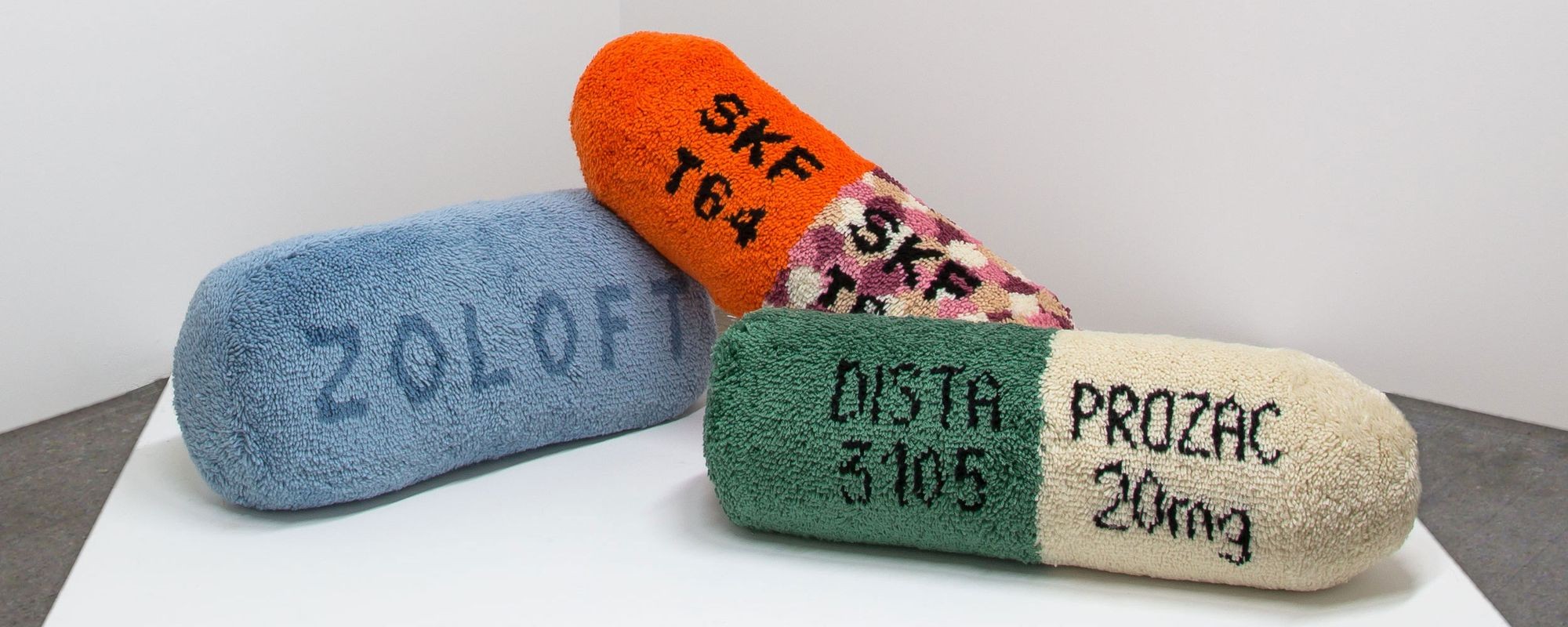
I’ll teach you Hyperbolic Tapering, so you can put it into practice with your doctor
I’ll share what helped me come off antidepressants safely and successfully after years on them. Hyperbolic tapering is what finally got me off medication and gave me back everything it had dulled: my emotions, sexuality, energy and personality.

Support from someone who’s walked this road, from tapering through to recovery
You don’t have to go through this alone! With regular sessions and ongoing contact, I’ll support you at every stage and share everything that helped me come off medication after years on it, from hyperbolic tapering to coping with withdrawal symptoms. You can then discuss what you’ve learned with your prescribing doctor and put it into practice together.

There’s more to it than tapering!
In our sessions, I’ll help you make sense of what you’re noticing in your day-to-day life. You’ll get educational materials, and we’ll talk about your routine, habits, diet and the support available to you.
About My Practice
What's it like to work with me?
If you and your doctor have decided it’s time to come off your medication, I’ll be there to support you throughout. In our online sessions you’ll learn about Hyperbolic Tapering and everything that helped me on my own journey off antidepressants. You’ll also get self-help tools you can use and discuss with your doctor.
Guides
Research-based guides that explain the method and what coming off antidepressants can involve:
- Hyperbolic tapering of antidepressants: the complete guide
- Protracted withdrawal: symptoms, how long it lasts and what helps
- Antidepressant withdrawal or relapse? How to tell the difference
- How to taper off Zoloft (sertraline) safely
- Lexapro withdrawal: how to taper off escitalopram
- Zoloft half-life: how long sertraline stays in your system
Frequently asked questions
Answers to common questions about my services, coming off medication, tapering and more.
What is protracted withdrawal syndrome?
Protracted withdrawal syndrome is caused by autonomic changes in the nervous system, often as a result of reducing the dose too quickly or in the wrong way.
What is Hyperbolic Tapering?
Hyperbolic tapering is based on the observation that as the dose of an antidepressant goes up, its effect on brain receptors goes up too, but not in a straight line. At higher doses, each further increase adds less and less effect, producing what’s known as a hyperbolic curve: steep at low doses and flattening out at higher ones.
In practice, this means dose reductions follow the shape of that curve. Because even very small amounts of a drug (say 1-2 mg) can still have a strong effect, many people need to go down to very low doses before stopping completely, so that the final step to zero isn’t too much of a shock to the nervous system. Doses this small and precise are hard to achieve with standard tablets, which is why custom-compounded medication can play an important role.
How can you reduce the risk of withdrawal symptoms?
It’s worth talking to your doctor about a flexible, gradual tapering plan tailored to your needs. A common approach is Hyperbolic Tapering, where each reduction is smaller than the last, all to keep withdrawal discomfort to a minimum.
How can you tell withdrawal from relapse?
When someone cuts their dose too quickly and starts to feel worse, it’s often taken as proof that their illness has come back. As a result, the medication is restarted, often at an even higher dose.
In reality, these symptoms are frequently the brain and nervous system reacting to a reduction that was too fast for the body to adjust to.
This misdiagnosis is one of the main reasons so many people stay on psychiatric medication for years, far longer than anyone originally intended.
This is not a crisis service. If you are in crisis or thinking about harming yourself, call or text 988 in the US, call Samaritans on 116 123 in the UK, or contact your local emergency number.